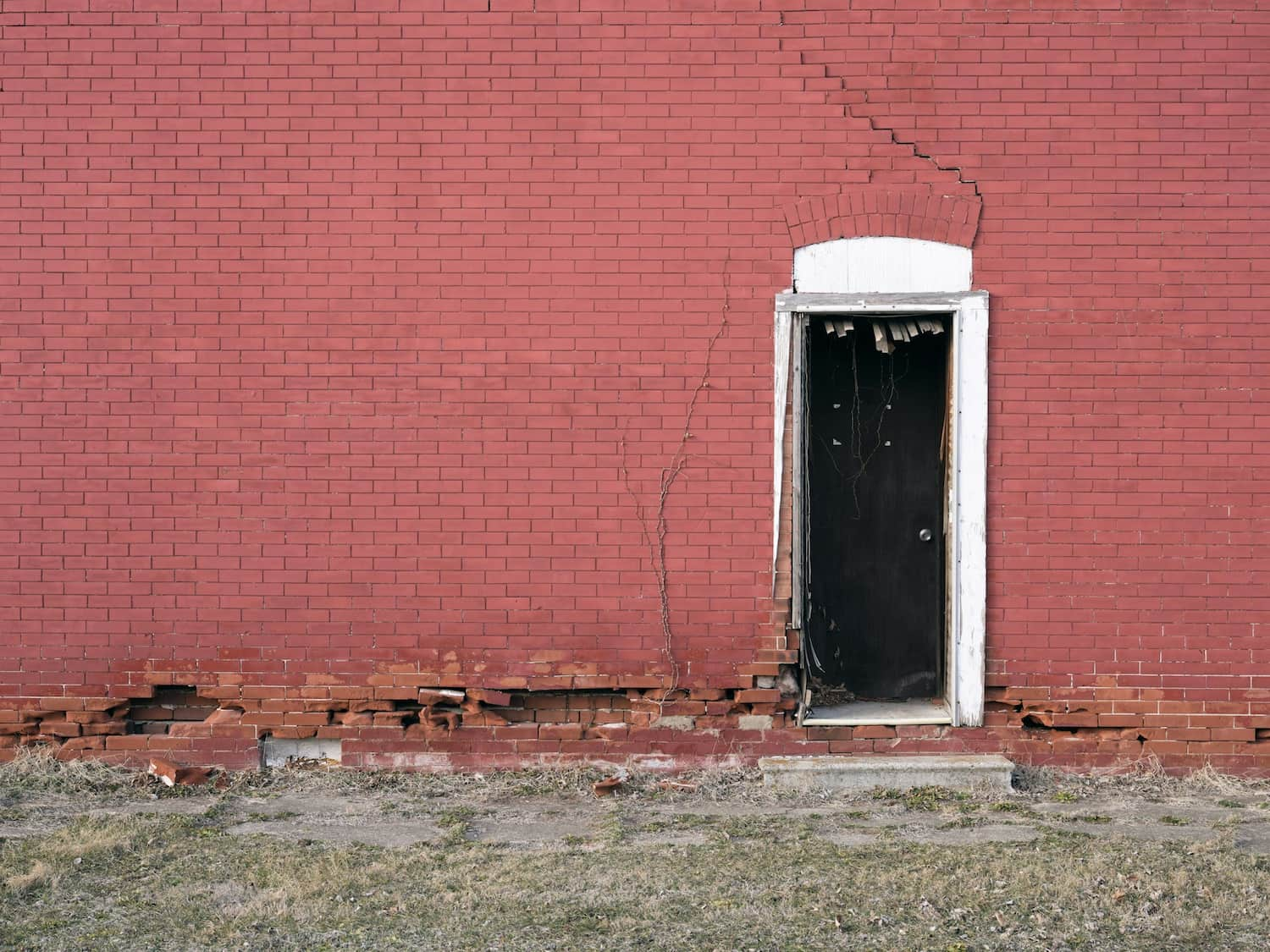

You may still be able to buy a house with subsidence and let it out. Before you decide, you need to know what caused the movement, whether it has stopped, and what repairs may be needed.
Here is what to check, how the costs can add up, and what subsidence could mean for your mortgage.
What does subsidence mean?
Subsidence is when the ground beneath a property sinks, causing its foundations to move. That movement can lead to cracks in walls, uneven floors, or doors and windows that no longer fit properly.
It can happen when clay soil dries out and shrinks, when trees draw moisture from the ground, or when leaking drains wash soil away. Identifying the cause helps an expert determine how to fix it.
You may hear other terms during a survey. Settlement happens when a building’s weight compresses the ground below it. Heave means the ground moves upwards, while landslip involves ground moving down a slope.
If the seller mentions “historic subsidence”, it means the movement happened in the past. You still need to check what happened, what was done about it, and whether it has moved further.
Why does subsidence matter when buying an investment property?
Subsidence can affect the purchase cost, your borrowing options, and when you can start earning rent. A lower asking price may leave less room for repairs than you first expect.
For example, work might take longer than planned, leaving the property empty while you continue paying loan costs and other bills. Your lender may also want more checks before agreeing to fund the purchase.
Even if your finances meet its rules, the building itself could be difficult to mortgage. That matters again if you plan to refinance or sell later.
The question is whether the purchase still works once you allow for those costs and delays. To answer it, you first need a clear picture of the property’s condition.
How can you spot possible subsidence?
Look for new or widening cracks, doors that start sticking, and floors that seem to be sinking. These can signal movement, though they don't prove the property has subsidence.
AXA’s warning signs include diagonal cracks, cracks around doors and windows, and cracks visible both inside and outside. Cracks wider than about 3mm deserve attention, but an expert needs to assess the cause.
During a viewing, ask:
- When did the seller first notice the damage?
- Have the cracks changed or come back after repairs?
- Has a surveyor or engineer checked them?
- Do you have reports or dated photos you can review?
Small cracks can also come from drying plaster or temperature changes. Fresh paint may hide older damage, so ask about the history even if the walls look sound.
If anything concerns you, raise it with your surveyor. Photos are useful, but they cannot replace a proper inspection.
What should you check if the survey raises concerns?
Start by asking your surveyor what needs checking next. A report that mentions possible subsidence doesn't explain the cause, how much work is needed, or what it will cost.
Here is where to start:
- Arrange any further checks the surveyor recommends. These could include an engineer’s report, a drain survey or monitoring to see whether movement continues.
- Ask the seller for earlier reports, insurance claims, repair bills and any certificates or guarantees.
- Find out what evidence shows the movement has stopped, if that is what the seller says.
- Share the findings with your proposed lender and insurer. Ask what else they need before they can make a decision.
Some checks take time. RICS says monitoring may take 12 months or longer, so ask for a realistic timeline before agreeing to a completion date.
Your solicitor can check whether guarantees pass to you and whether you and your lender can rely on reports prepared for the seller. If an insurance claim remains open, clarify who will handle it and pay for unfinished work after the sale.
Buying from abroad? Appoint someone locally to arrange access and keep the surveyor, engineer and solicitor in contact. Ask for written updates so you can follow progress without relying on messages passed through the seller.
How is subsidence repaired, and what should you budget for?
The right repair depends on what caused the movement. A leaking drain may need fixing, while a tree-related problem needs expert advice before you prune or remove anything. Removing a tree can sometimes make the ground swell.
Some properties need underpinning, which strengthens or extends the foundations. RICS describes this as a last resort. It is worth finding out what work is needed before assuming the property will need major foundation repairs.
Once the cause is clear, ask for a written plan and quotes. Include reports, repair costs, professional fees, and contingency funds for extra work. Also allow time before rent starts.
For example, say the asking price is £210,000 and a similar property without the issue is worth £250,000. The £40,000 price gap may look appealing, but the costs could add up.
That leaves £5,000 of the price gap before tax, legal fees, finance and other holding costs. The figures are only an example; they are not repair quotes or a promise of what the property will be worth.
Ask a valuer about its likely value after repairs. Then run the budget again with a higher repair bill and a longer period without rent. Check whether you could cover the extra cash needed.
The comparison property is only a starting point. Your valuer may reach a different figure once they consider the repair history and local sales.
Can you get a buy-to-let mortgage and insurance?
You may be able to, but each lender and insurer will assess the property on its own. The cause, repair history and any further movement can all matter, as MoneySuperMarket explains.
Give your broker the reports early and explain that you plan to let the property. Ask which buy-to-let lenders will consider it and what they need before making an offer.
For insurance, explain the full history and ask the provider to confirm:
- Whether the policy includes subsidence cover
- The excess, meaning the amount you pay towards a claim
- Any exclusions or special conditions
- What cover applies during repairs or while the property is empty
A quote may come with limits, so check the terms before relying on it. Intelligent Insurance explains that evidence and the property's current condition help determine what cover is available.
If you plan to refinance after repairs, check that mortgage route before taking out short-term finance. An early indication can help you plan, but the lender will still need to complete its checks when you apply.
Could bridging finance help with the purchase?
Bridging may help if a lender accepts the property and you can show how you will repay after the work. You would buy with a short-term loan, then switch to a buy-to-let mortgage once the property meets the lender’s requirements.
The timing needs to work. Your repayment plan must allow for checks, repairs and the mortgage process. Interest and fees add to the purchase costs, and we cannot guarantee an extension if work runs late. Failure to repay can put the property at risk.
At GoGoProp, we provide short-term investment property finance for UK and overseas buyers. If the property has a subsidence history, ask us to review the details before relying on funding. We would need to confirm acceptance for that property.
Bring the survey findings, repair budget, insurance terms and mortgage plan together before deciding. If a mortgage can fund the purchase within your timeline, you may not need a bridge.
GoGoProp lends under Money Lending Licence No. 1341/2025.
Key takeaways
- Find out what caused the movement and whether it has stopped.
- Keep reports, repair records, and insurance claim details.
- Allow extra time and work without rent.
- Check what your insurance actually covers.
- Repairs do not guarantee mortgage approval.
- Bridging needs enough time and a clear repayment plan.
Frequently asked questions
1. Can a house with subsidence be repaired?
Many can. An expert needs to find the cause and assess the damage before recommending the right repair.
2. Is a property with subsidence safe for tenants?
It depends on the building’s condition. Get an expert assessment and deal with any safety concerns before letting it.
3. What are the first signs of subsidence?
Look for new or widening cracks, doors and windows that stick, or floors that change level. An expert needs to check the cause.