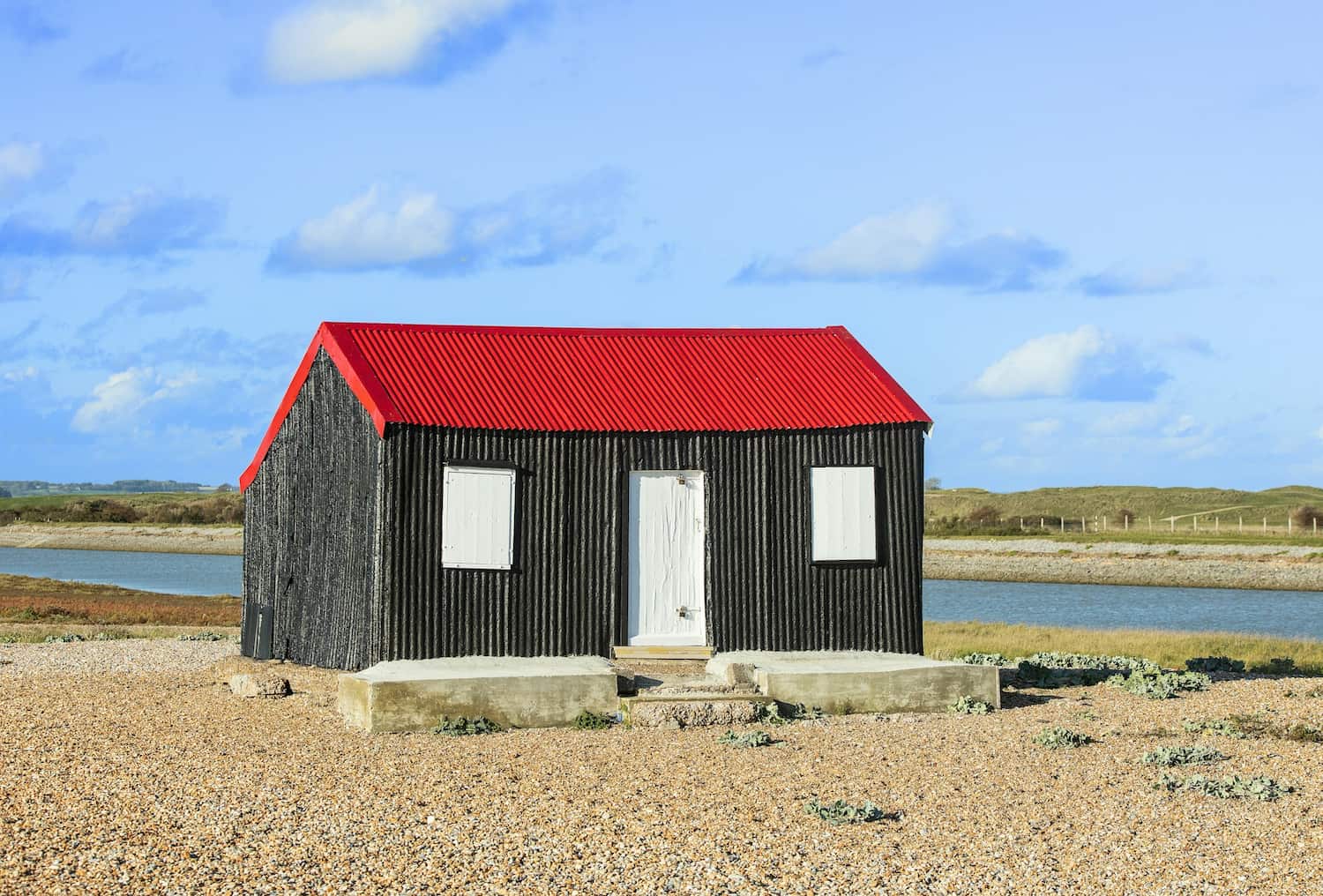

You might have found a rental home at a price that looks right. But then the survey or lender calls it “non-standard construction.”
This label can sound worrying, but on its own, it does not tell you whether the home is safe or whether a lender will offer a mortgage.
Before you decide, make sure you know:
- What the label means for this home
- What checks to make
- Whether the rental numbers and finance plan still work
What does non-standard construction mean?
As a rule of thumb, non-standard construction means a home does not fit the usual brick-or-stone walls with a tiled or slate roof.
The label is just the beginning. Homes that look similar can actually use very different construction systems.
For this reason, lenders also examine factors such as:
- The property’s age
- Physical condition
- Past repairs
- Availability of supporting records
Which non-standard homes may be harder to mortgage?
Two homes can look similar but lead to different lender decisions.
Many lenders will consider modern timber frame homes. But some lenders will not finance an unrepaired, designated concrete property.
Lenders need to know the exact build type, its condition, and the supporting records. Make sure you check these details before making an offer:
Ask the seller or a surveyor to confirm the exact build type. Then check with the lender to see which reports, repair records, or warranties they need before you pay for a full application.
What should you check before making an offer?
Start with the property's records. Ask the seller for:
- The build type and any plans
- Past surveys and repair records
- Certificates for the system or repair work
Records might be old or incomplete, so make sure they match the current state of the home.
If you are still unsure about the build type or condition, ask a surveyor who knows these homes. The survey can identify visible faults, movement, or damp, and recommend further checks if needed. Make sure you know what the survey covered and its limits.
Share the report with your lender early. It helps them assess the property, but it does not guarantee you will get a loan. They might still need their own valuation or other reports.
Before you make an offer, check four things:
- Past changes and any approvals they needed
- Whether shared parts or the wider block need work
- Insurance that covers this build and its rental use
- Any further checks advised by your surveyor or solicitor
What does “defective” mean, and what is a PRC certificate?
PRC stands for precast reinforced concrete. Certain named types have been designated as defective under housing law in England and Wales.
Keep in mind this group is narrower than all non-standard homes, so the exact build type matters.
Not every concrete home appears on this defective list. For example, Airey, Cornish Unit, Unity, Reema Hollow Panel, Wates, and Woolaway are among the designated types.
On the other hand, Wimpey No-Fines is a different system and should not be grouped with the designated PRC types unless you have clear evidence.
A PRC certificate serves as evidence that repair work has been carried out. For example, BRE Global’s current scheme includes Airey, Reema, Underdown/Winget, and Wates, but it does not cover all PRC types.
Therefore, do not rely solely on the words “PRC certificate.” You should always ask which scheme issued the certificate and whether it applies to the specific home you are considering.
How can the build affect the mortgage and deposit?
Lenders use the property as security for the loan. They usually check:
- The condition of the property and any repairs needed
- The property's value and insurance arrangements
- How easy it would be to sell the property
No single deposit rule applies to all non-standard homes.
Some specialist lenders may require a larger deposit or set a lower loan limit. In particular, an unrepaired designated PRC home can offer far fewer mortgage options. That is why you should always confirm the exact build type before setting your budget.
Some lenders may accept certain non-standard homes, while others may request more reports, offer a smaller loan, or decline altogether. Always ask about these requirements before paying any fees.
Can you get a mortgage on a non-standard construction property?
In some cases, it is possible. Approval depends on the build, the property’s condition, available records, and the lender’s specific rules.
You may benefit from working with a broker who understands this type of home. Keep in mind that the “non-standard” label alone does not guarantee approval.
The terms “non-standard” and “defective” have different meanings. Some types have been classified as defective or may require repairs.
So do not assume all concrete or prefabricated homes are defective. Always check the specific type and review all repair records.
Is a non-standard construction property worth buying to let?
Price is just one factor to consider. You should also:
- Review the survey findings
- Assess the need for repairs
- Arrange insurance cover
- Calculate the expected rent
- Examine your finance options
After that, plan ahead for how you might sell the property or arrange a new loan in the future.
For instance, imagine comparing two similar rental homes, each listed at £200,000.
One needs £20,000 in repairs and specialist insurance, while the other needs little work and offers more lender options. In this case, a £10,000 discount may not offset the extra costs for repairs, finance, and potential resale risk.
Therefore, always get real quotes before you decide.
When could a bridging loan fit the purchase?
A bridging loan may suit an investment purchase when the long-term lender is not ready to value or fund the home. This could be an auction deadline, a missing repair record, or work you plan to finish before refinancing.
You will need to repay the bridging loan either by selling the property or by securing a later mortgage.
Keep in mind that a bridging loan does not fix the home or make an unrepaired designated property eligible for a mortgage.
Before you borrow, check:
- Whether the lender confirms its current rules allow this build type and condition.
- The repair plan, time, and cost are clear.
- The lender has said what state and records it needs.
A bridging loan helps you buy in the short term only if the lender accepts the property and your repayment plan is clear. Remember to budget for interest, fees, repairs, insurance, and legal costs.
At GoGoProp, we offer short-term bridging loans for certain investment properties, subject to completing all necessary checks, at a 1% monthly interest rate and a 2% handling fee.
To learn more about GoGoProp’s bridging loans, check out the full terms below:
GoGoProp lends under Money Lending Licence No. 1341/2025.
Key takeaways
- The term “non-standard” refers to several construction types, and lenders can define them differently.
- Start by identifying the exact building system, and then request any survey, repair, and certificate records.
- Keep in mind that a non-standard label does not automatically mean a property is defective or unmortgageable.
- Lenders may check condition, value, insurance, and resale, as well as the borrower’s application.
- Before you buy to let, make sure you include the survey findings, repair costs, insurance, and your future finance plan in your calculations.
- A bridging loan can help cover a genuine timing gap on an eligible investment purchase. However, it does not fix the property or guarantee you will secure a mortgage later.
Frequently asked questions
1. What is the difference between non-standard and defective construction?
Non-standard is a broad building description. Defective can refer to specific systems formally identified as having structural problems. Check the exact system and repair records.
2. Does a non-standard construction property need a special survey?
It may need extra checks. Ask a qualified surveyor what is suitable for the building, then confirm what the lender requires.
3. Can a non-standard construction property be insured?
Sometimes. Cover depends on the building, its condition, and the insurer. Get a quote for the exact property before you commit.
4. Can you refinance a non-standard construction property after buying it?
Possibly. The future lender will assess the property, evidence, and application under its criteria at that time.
5. Does a bridging loan guarantee that I can get a mortgage later?
No. A mortgage lender decides based on its own criteria. Check these and your exit first.